Please subscribe to our Editors Weekly Bulletin. Our editor compiles a snap shot of the weekly news from around Spain and local to your area. The list price of 48 bulletins is €49.95 however we are offering a 25% discount.Take advantage of the discount by clicking the button provided.
Hacienda Riquelme Golf Resort Today News & Lifestyle info in English for Hacienda Riquelme Golf Resort Urbanisation Spain
Guidelines for submitting articles to Hacienda Riquelme Golf Resort Today
Hello, and thank you for choosing Hacienda Riquelme Golf Resort.Today to publicise your organisation’s info or event.
Hacienda Riquelme Golf Resort Today is a website set up by Murcia Today specifically for residents of the urbanisation in Southwest Murcia, providing news and information on what’s happening in the local area, which is the largest English-speaking expat area in the Region of Murcia.
When submitting text to be included on Hacienda Riquelme Golf Resort Today, please abide by the following guidelines so we can upload your article as swiftly as possible:
Send an email to editor@spaintodayonline.com or contact@murciatoday.com
Attach the information in a Word Document or Google Doc
Include all relevant points, including:
Who is the organisation running the event?
Where is it happening?
When?
How much does it cost?
Is it necessary to book beforehand, or can people just show up on the day?
…but try not to exceed 300 words
Also attach a photo to illustrate your article, no more than 100kb
article_detail
Spanish News Today Editors Roundup Weekly Bulletin August 7
We've still got the weekend to enjoy and there's plenty happening across Spain if you're heading out, but all eyes are already turning to next Wednesday. A total solar eclipse, followed by the peak of the Perseid meteor shower on the very same night? That's not something that comes around every year... or even every century.
We've got everything you need to know about that, plus the latest stories from around Spain, the Costa Blanca, Murcia and Andalucía. So grab a coffee, put your feet up and let's dive into this week's biggest headlines.
Lights out
Next Wednesday evening, millions of people across Spain will be looking skyward for what promises to be one of the most extraordinary sights most of us will ever see.
For the first time since 1912, a total solar eclipse will be visible from mainland Spain, with the Moon completely covering the Sun and briefly turning day into night. It's a moment that's been decades in the making and, for many people, a genuine once-in-a-lifetime experience.
This isn't just one of the biggest astronomical events of the year either. It's the first of three major eclipses set to cross the Iberian Peninsula over the next three years, a remarkable run that's already being dubbed the Iberian Trio.
The event begins as a partial eclipse at around 7.30pm, before the Moon's shadow races across the country from west to east. Around an hour later, just before sunset, those in the path of totality will see daylight disappear for up to two minutes as the Sun's glowing corona suddenly comes into view.
Some of the best places to watch it include A Coruña, Oviedo, León, Santander, Bilbao, Zaragoza, Tarragona, Valencia and Palma de Mallorca, although people across much of Spain will still enjoy an impressive partial eclipse even if they aren't in the path of totality.
If you're planning to head out to watch it, finding somewhere with a clear view of the western horizon could make all the difference, as the eclipse reaches its peak just before the Sun sets. It's no surprise that hotels in some of the prime viewing locations have been booked up for months as visitors from around the world descend on Spain for the event.
There's one thing you'll need before you head outside though. Certified eclipse glasses are essential. Looking directly at the Sun without proper eye protection, even during an eclipse, can permanently damage your eyesight. The only glasses considered safe are those marked with the EN ISO 12312-2 certification.
To help everyone enjoy the spectacle safely, 2 million pairs of certified eclipse glasses are being distributed across Spain through ONCE vendors, universities, science museums and research centres. If you miss out on a free pair, they're also available from many opticians, pharmacies and larger retailers.
The eclipse has attracted attention far beyond Spain too. NASA will be flying a specially equipped research aircraft at around 15 kilometres above the Earth, following the Moon's shadow to give scientists extra time to study the Sun's outer atmosphere. Another 86 scientific balloons will also be launched between Iceland and Spain to investigate how the sudden loss of sunlight affects the atmosphere.
As incredible as all that sounds, the sky has one more surprise lined up.
Once darkness falls, the Perseid meteor shower is expected to reach its peak. With the Moon out of the way and skies at their darkest, conditions should be almost perfect for watching shooting stars streak overhead.
A total solar eclipse followed by one of the year's best meteor showers on the same evening isn't something Spain sees very often. If the weather plays ball, next Wednesday could be one of those nights people remember for years.
Bot or not?
Ever wondered whether that customer service agent is actually a person? These days it can be pretty hard to tell but from this week, companies across Spain and the rest of the EU are going to have to be a lot more honest about it.
So, if you're asking your bank about a payment, chasing up a parcel or trying to sort out your broadband through an online chat, it should be obvious from the start if it's AI that's answering your questions. Plenty of companies already tell you, but now it'll be a legal requirement in many situations.
The EU also wants it to be much easier to spot AI-generated photos, videos and audio that look convincingly real. That's especially important when it comes to so-called deepfakes, where artificial intelligence can create fake clips of real people saying or doing things they never actually said or did.
Don't expect every AI-generated image online to suddenly come with a giant warning label, though. The focus is on content that could genuinely fool people. A fun cartoon or fantasy image is one thing, but a realistic photo that appears to show a real event is something else entirely.
The companies behind AI tools will also have to build in technology that helps identify content created by artificial intelligence. You probably won't notice these digital markers, but they'll make it much easier to trace AI-generated material if questions arise later.
For most of us, the changes won't dramatically alter how we use the internet. What you are likely to notice is a bit more honesty about when you're talking to AI instead of a real person, along with clearer labelling of realistic AI-generated content.
These are only the first changes to come into force, too. More parts of the AI Act will be introduced over the next couple of years, including stricter rules for artificial intelligence used in healthcare, education and recruitment.
Game on, Murcia
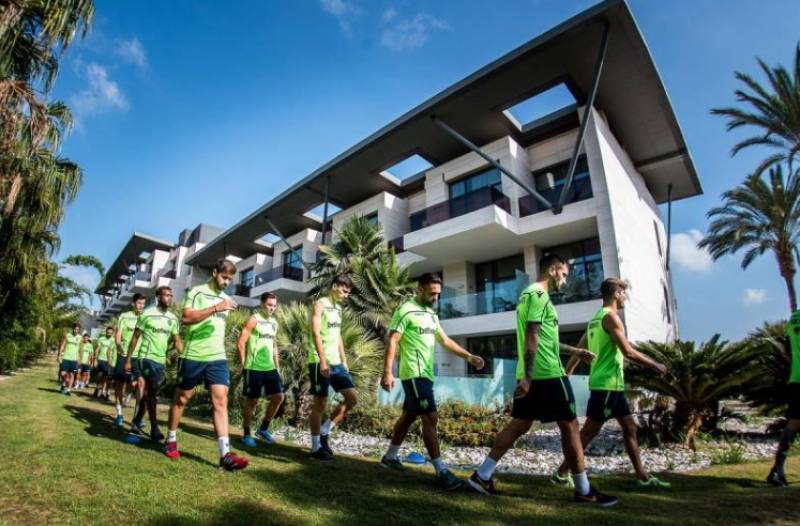
One of the biggest stories making headlines this week is that the Region of Murcia could end up playing a much larger role in the 2030 FIFA World Cup than most people realise. The Region is currently preparing to welcome up to six national teams to use as their training bases during the tournament. If everything goes to plan, it will bring players, coaching staff, international media, and fans from all over the world right to our doorstep, putting Murcia right at the centre of the action and creating plenty of business for local hotels, restaurants, and shops.
As you might know, Spain is co-hosting the 2030 World Cup alongside Portugal and Morocco. Because FIFA is expanding the tournament format to include 64 nations by then, there is going to be a massive demand for high-quality places where teams can stay and train.
Fortunately, several of Murcia's top sports complexes are expected to make the cut for FIFA's official catalogue. Pinatar Arena in San Pedro del Pinatar is already famous for hosting international squads throughout the year, while La Manga Club has a long history of welcoming elite footballers from all over Europe. Torre Pacheco’s DoubleTree by Hilton La Torre Golf & Spa Resort is also firmly in the running, alongside the brand-new Alhama Arena project, which is currently under construction and will feature dedicated pitches and hotels built specifically to attract top-tier teams.
The excitement is already building, and local preparations are well underway. Pinatar Arena has been busy upgrading its facilities, replacing temporary seating with permanent stands, installing better floodlights, and planning for a new gym and refurbished changing rooms. Meanwhile, work is moving forward on the Alhama Arena project; the first phase includes two football pitches and a five-star hotel, with more pitches and a second hotel coming in phase two. The ultimate goal is to have the capacity to host several national teams simultaneously.
Murcia has spent years building a strong reputation as a premier sports destination, mostly thanks to the fantastic year-round climate, modern facilities, and great transport links. International sides like England, Scotland, Iceland, Saudi Arabia, and the Netherlands have all trained here in the past, and European club teams regularly spend their pre-season breaks in the region. In fact, just this month, women's teams from Real Madrid, Paris Saint-Germain, Tottenham Hotspur, and Newcastle United are all scheduled to train at Pinatar Arena.
Of course, there is still a long way to go before 2030, and the final decisions on exactly where the teams will stay won't be locked in for a few years yet. But the level of investment we are seeing right now shows that Murcia is taking this opportunity incredibly seriously. Even if only a handful of those national teams choose the Region, it will still be a massive win and a historic moment for Murcia.
Murcia
Earthquakes dominated the headlines in the Region of Murcia this week after two tremors in the space of three days left many residents wondering whether something bigger could be on the way.
The first measured 4.1 and struck shortly before midday on Sunday, with its epicentre between Librilla and the Murcian district of Barqueros. Because it happened at a relatively shallow depth, it was felt across much of the Region, as well as parts of Alicante and Albacete.
Some people reported furniture rattling and buildings shaking for a few seconds, particularly on the upper floors of apartment blocks, while Murcia's 112 emergency centre received more than 80 calls from concerned residents.
Then, just before 2am on Tuesday, another earthquake measuring 2.5 was recorded near Albudeite. Although much smaller, it was still felt in several nearby towns and villages, adding to the sense that it had been an unusually active few days underground. Thankfully, neither earthquake caused any injuries or significant damage.
With memories of the devastating 2011 Lorca earthquake still fresh for many people, attention quickly turned to whether the recent activity had anything to do with the Alhama de Murcia Fault, one of the most closely monitored fault systems in south-eastern Spain.
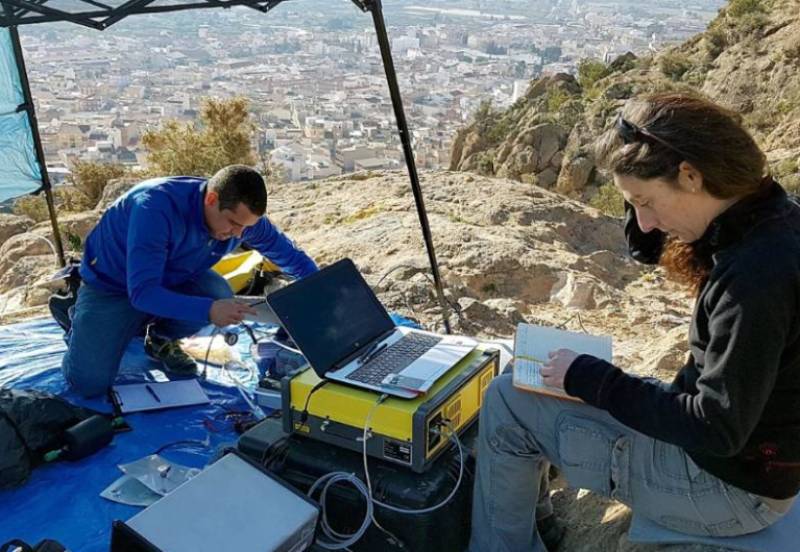
Scientists have been quick to reassure the public that the recent earthquakes didn't occur on the Alhama Fault itself. Instead, they believe both tremors originated on a much smaller nearby fault close to Barqueros, one that isn't considered capable of producing a major earthquake.
That doesn't mean a larger earthquake is expected. In fact, geologists have stressed there's currently no indication that a more powerful tremor is on the horizon. For scientists, though, every earthquake provides another piece of the puzzle and helps improve understanding of how the Region's complex network of fault lines behaves.
Away from the seismic activity, there was much more encouraging news for Murcia's tourism industry, which is enjoying one of its strongest years on record.
The latest figures show the Region welcomed 582,437 international visitors during the first six months of 2026, the highest number ever recorded for that period. Those visitors spent almost €776 million, another record, suggesting people aren't just choosing Murcia for their holidays but are also digging a little deeper into their pockets once they arrive.
British holidaymakers continue to lead the way, with almost 187,000 visitors travelling from the UK between January and June, meaning almost one in every three overseas tourists in the Region was British. France remains the second biggest international market, while visitor numbers from Ireland and the Nordic countries have surged compared with last year.
Murcia is also keeping visitors around for longer than anywhere else in Spain. The average stay has now reached 10.7 days, well above the national average of 6.9 days, while daily spending has climbed by more than 13%.
Those figures are giving the tourism industry plenty to smile about, but behind the scenes many businesses say finding enough staff has become one of their biggest challenges.
Hotels, bars and restaurants across the Region report another busy summer season, yet many are struggling to recruit experienced workers, particularly chefs and skilled kitchen staff. As a result, employers increasingly find themselves hiring people with little or no experience and training them on the job to fill vacancies.
Hospitality representatives believe vocational training needs to evolve more quickly to meet the needs of the industry, with greater emphasis on practical workplace experience. Earlier this year, dozens of businesses signed up to an expanded dual vocational training scheme that allows students to combine classroom learning with paid work placements.
Trade unions see things rather differently. They argue the recruitment problems aren't simply down to training, but also to years of relatively low pay, long hours, temporary contracts and high staff turnover, which have made the sector less attractive for many workers. Both sides agree more needs to be done, even if they don't agree on exactly what that should be.
It's not just employers facing increasing competition either.
The Region of Murcia remains one of Spain's more affordable places to rent, but the latest figures suggest prices are continuing their steady climb. Average rents reached €10.90 per square metre in July, up 5.2% compared with the same month last year.
That's still well below the national average of €15.30 per square metre, meaning Murcia continues to offer better value than many other parts of Spain. Even so, the gap is gradually narrowing as demand for housing continues to outstrip supply.
The pressure isn't limited to the rental market. Buying a home is becoming increasingly competitive too, particularly in Murcia city and the Region's popular coastal towns, with six municipalities now ranking among Spain's 100 most sought-after property markets.
To see any events coming up soon in the Murcia area, have a look at our EVENTS DIARY:
Everyone knows you shouldn't leave litter behind, but did you know something as simple as using shampoo in a beach shower could leave you facing a hefty fine? Those showers are only meant for rinsing off salt and sand, and in places including Alicante, Tarifa and El Puerto de Santa María, using soap or shower gel is banned because the chemicals can end up polluting the sea. Ignore the rules and you could be looking at a fine of up to €750.
It's not the only surprise. More and more beaches are banning smoking, with places like Altea, La Vila Joiosa, L'Alfàs del Pi, Finestrat, Barcelona and San Sebastián all introducing smoke-free sands. If you're heading somewhere new, it's worth checking the local rules before lighting up.
Then there's the annual battle for the best spot on the beach. If you're tempted to plant your umbrella at sunrise before disappearing for breakfast, don't be surprised if it's gone when you get back. Councils in resorts such as Benidorm and Fuengirola are clamping down on people reserving space by leaving chairs and umbrellas unattended, and in some places you could even be fined.
Football matches on busy beaches can also get you into trouble if you're not in a designated area, and if you're taking the dog along, make sure you're heading to a dog-friendly beach. Many popular stretches of coast, including those around Alicante, Benidorm, Torrevieja and Málaga, don't allow dogs during the summer season.
Talking of summer, it feels like every year brings another heatwave, with roads and pavements becoming so hot they seem to keep radiating warmth long after the sun has gone down. That could eventually change thanks to a clever new type of road surface that's turning heads just across the water in Morocco.
Instead of traditional asphalt, cities including Marrakech and Agadir are testing permeable roads that absorb rainwater beneath the surface. As that moisture slowly evaporates, it naturally cools the surrounding area, helping streets stay more comfortable even during the hottest part of the day. The system also reduces flooding during heavy rain and helps replenish underground water supplies.
It might sound futuristic, but Spain is already experimenting with similar ideas. In the Region of Murcia, researchers have tested paving that can lower surface temperatures by as much as 15°C, while Barcelona and Seville are trying everything from reflective road surfaces to lighter paving, extra trees and more shade. None of it is a magic fix, but as Spanish summers continue getting hotter, don't be surprised if the streets of the future end up looking very different from the ones we drive on today.
If you're thinking of making another environmentally friendly change, now could also be the time to swap your petrol or diesel car for an electric one.
Applications have just opened for Spain's new Auto+ Plan, which is offering grants of up to €5,500 towards the cost of a new electric vehicle. Better still, the scheme has been backdated to January 1, so anyone who has already bought an eligible EV this year may still be able to claim.
The amount you'll receive depends on the type of vehicle, how much it costs and where it's been built, with the biggest grants available for fully electric models manufactured in Europe. Plug-in hybrids, electric motorcycles and quadricycles are included too, although the payments are a little lower.
The funding won't last forever, though. Applications are being processed on a first come, first served basis, so anyone thinking of taking advantage probably shouldn't hang around too long.
Finally, if you're a smoker, there's one part of Spain's proposed anti-smoking law that might come as a surprise.
Despite plans to ban smoking on bar and restaurant terraces and in more outdoor public spaces, you'll still be allowed to smoke in your own private car. The government has confirmed that privately owned vehicles aren't included in the draft legislation.
That doesn't mean anything goes, though. If you're driving and the police decide smoking has distracted you, you can already be hit with a €200 fine under existing traffic laws. Even more serious is throwing a cigarette end out of the window. That's already punishable by a €500 fine and the loss of six driving licence points, and with wildfire season in full swing, authorities are reminding drivers that a carelessly discarded cigarette could end up causing far more damage than they ever imagined.
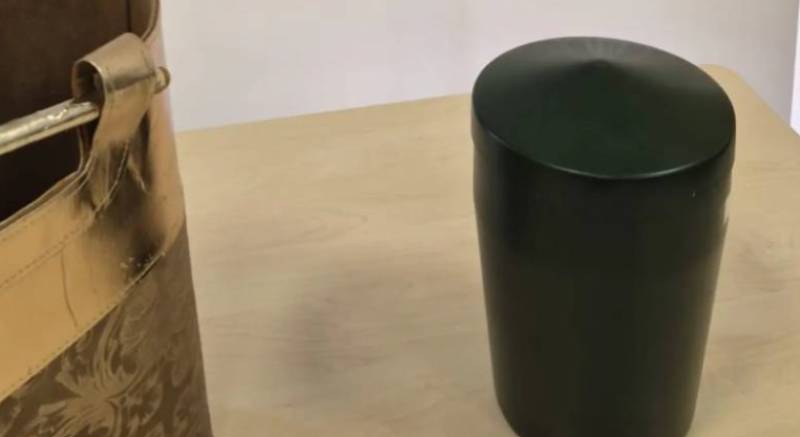
After an appeal on social media failed to identify the family, officers carried out a bit of detective work and eventually managed to reunite them with the urn. The explanation was even more unusual than the discovery itself. It turned out the family had deliberately left it there for safekeeping while renovation work was being carried out at home, completely unaware it had later been removed from the locker.
It's certainly not the sort of lost property Benidorm's Local Police deal with every day, but thankfully the story ended with the ashes safely back where they belonged.
Staying in Benidorm, a new report has revealed just how expensive it's becoming to get on the property ladder.
Anyone hoping to buy a typical 100m² home with a mortgage now needs to be earning almost €2,800 a month after tax, making Benidorm one of the least affordable places in Spain to buy a home. That's well above Alicante city, where the figure drops to just under €2,000, and Elche, where buyers need around €1,530 a month.
The study highlights just how much demand for homes on the Costa Blanca continues to push prices upwards, putting Benidorm in the same league as hotspots such as Marbella and Palma de Mallorca.
A little further down the coast, Orihuela Costa's Maritime Unit has been reminding everyone that beach rules apply in the water as well as on the sand.
Officers caught a diver spearfishing with a harpoon gun inside a designated bathing area during a routine patrol, something that's strictly prohibited because of the danger it poses to swimmers. Anyone breaking the rules can be fined up to €760.
Police also took the opportunity to remind boat owners that sailing through marked swimming zones is another costly mistake, with penalties of up to €2,000. With beaches packed at this time of year, they're asking everyone to stick to the rules so the only thing making a splash this summer is the sea itself.
From August 9 to 16, the neighbourhood will be buzzing with live music, children's activities, foam parties, dance performances and plenty of late-night celebrations. One of the biggest highlights is the colourful Summer Carnival Parade, while the ever-popular Paella Competition returns on August 15, giving amateur chefs the chance to show off their skills before everyone tucks into a giant communal paella.
The celebrations wrap up with the traditional procession in honour of San Roque and Santa Ana, followed by a fireworks display to bring another week of summer festivities to a close.
Andalucía
If you're heading to Málaga this month, don't be surprised if it feels even busier than usual because the city's cruise season is in full swing.
August is set to be Málaga's busiest month for cruise arrivals since the pandemic, with 23 ship visits scheduled over the coming weeks. Thousands of holidaymakers are expected to pour into the city, and plenty of them will be arriving straight from the UK.
British favourites including P&O Cruises' Arvia, Celebrity Apex, Sky Princess, Ambience and MSC Virtuosa are all due to call at the Costa del Sol, bringing a welcome boost for local shops, bars and restaurants during one of the busiest times of the year. Arvia will be making two visits and, at 345 metres long, will also be the biggest ship to dock in Málaga this month.
The harbour is expected to be at its busiest during the Málaga Fair, with four cruise ships due in port on the same day at one point, making for quite a spectacle along the waterfront.
An 82-year-old man from Dos Hermanas, near Seville, died in hospital after developing a serious neurological complication linked to the virus. Health authorities have also confirmed another infection nearby, bringing the total number of cases in Andalucía this year to 17.
The vast majority of people infected either develop mild flu-like symptoms or don't feel ill at all, but the virus can become much more serious in older people and those with underlying health conditions.
Officials have now placed 19 municipalities under increased surveillance, with extra mosquito control measures and public awareness campaigns being rolled out. Residents are being encouraged to use insect repellent, wear long sleeves during the early morning and evening and remove any standing water around their homes where mosquitoes can breed.
If you're planning something a little more adventurous than a day on the beach, there's good news from one of Andalucía's most famous attractions.
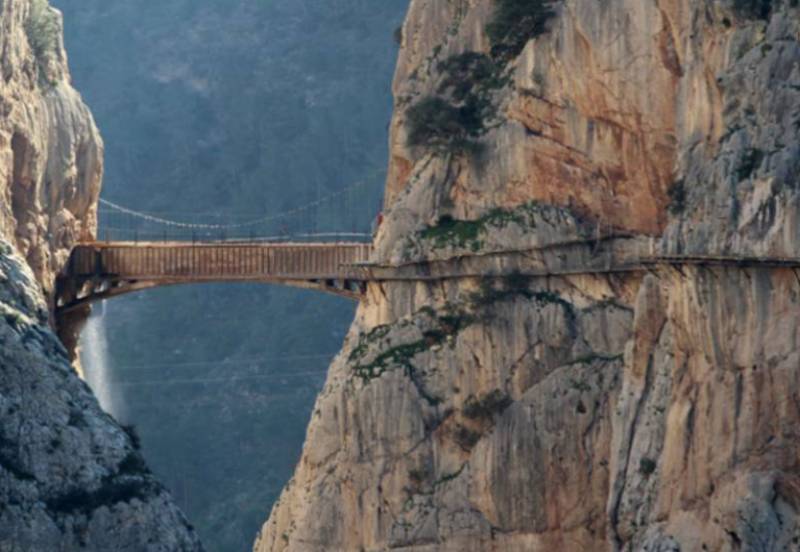
The Caminito del Rey has just unveiled Spain's longest suspension bridge, giving visitors a spectacular new way to finish the iconic walkway through the Gaitanes Gorge.
The new section doesn't just promise incredible views. It's also noticeably cooler. Tests carried out during construction found temperatures along the redesigned route were up to 11.4°C lower than the old exit, which should make a real difference during the height of summer.
Walkers will also be pleased to hear they've removed the sting from the finish. The old route ended with a steep climb and several flights of stairs after completing the gorge, but the new layout replaces that with a much gentler downhill walk. It also gives emergency services quicker access if anyone needs help along the trail.
Once labelled one of the world's most dangerous walks, the Caminito del Rey has become one of Andalucía's biggest tourist attractions since reopening in 2015. This latest upgrade should make tackling it a little easier, especially if you're visiting during the hottest weeks of the year.
That’s all for this week. Thank you for reading and we’ll see you again for more next Friday.














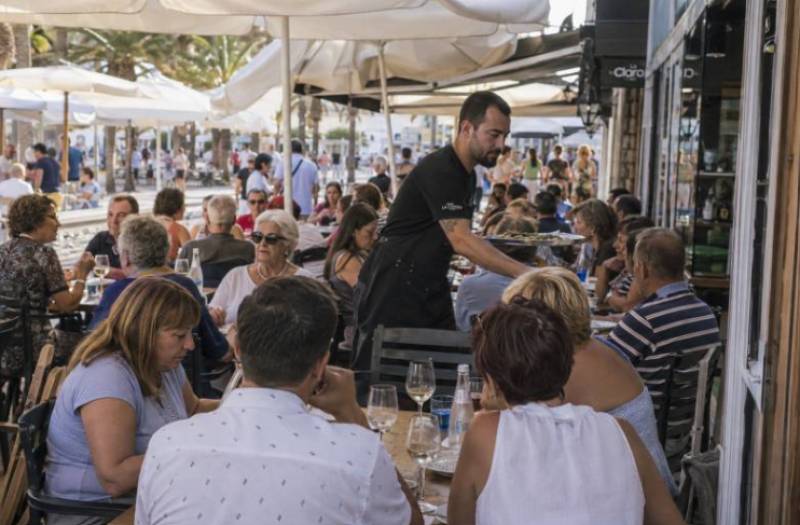 Away from the seismic activity, there was much more encouraging news for Murcia's tourism industry, which is enjoying one of its strongest years on record.
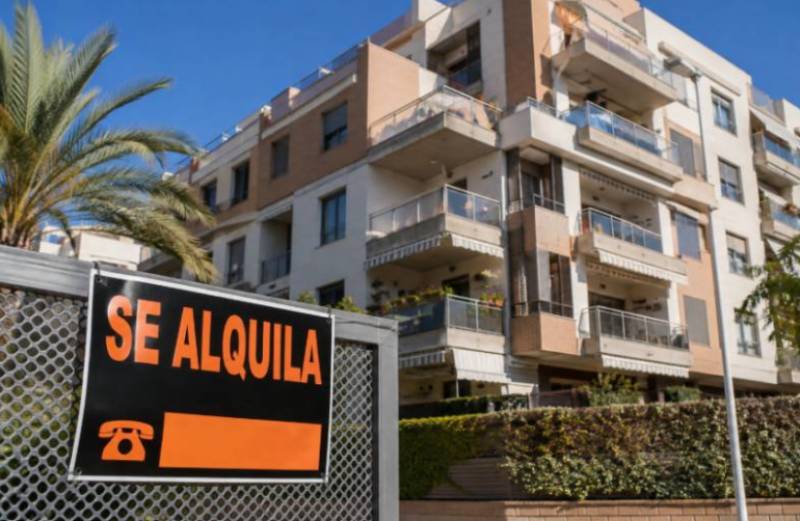 The Region of Murcia remains one of Spain's more affordable places to rent, but the latest figures suggest prices are continuing their steady climb. Average rents reached €10.90 per square metre in July, up 5.2% compared with the same month last year.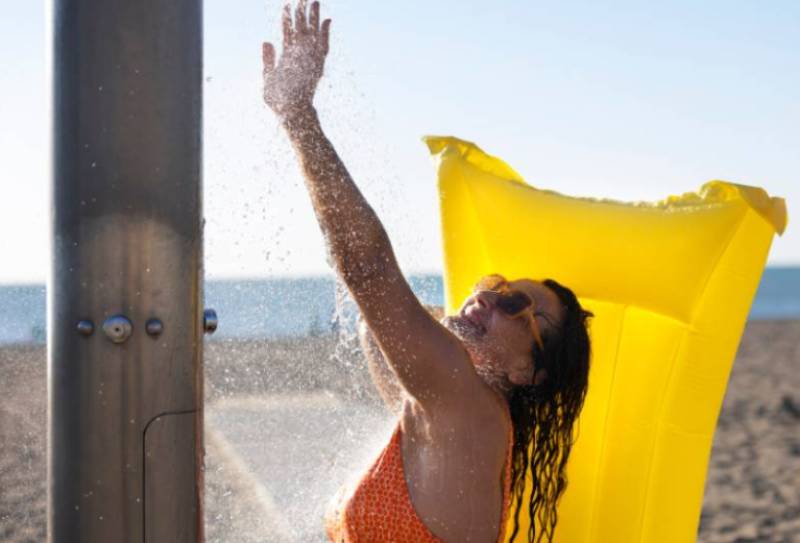
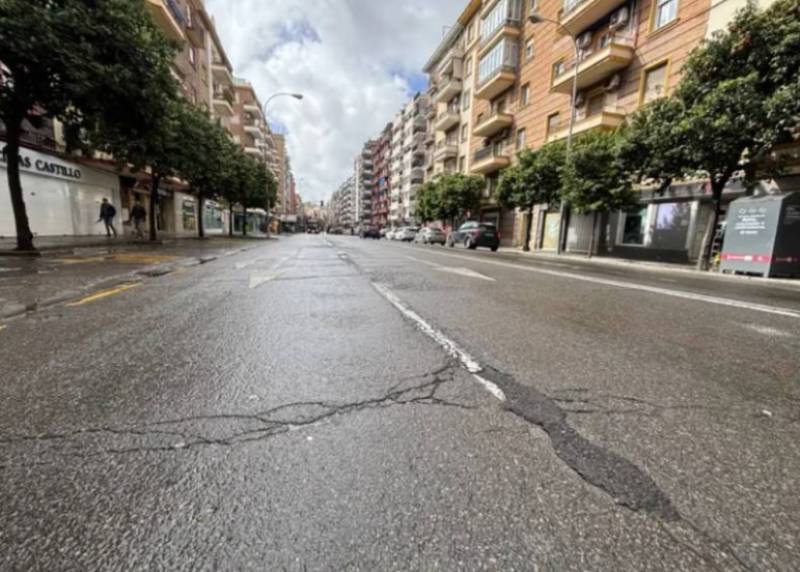 Instead of traditional asphalt, cities including Marrakech and Agadir are testing permeable roads that absorb rainwater beneath the surface. As that moisture slowly evaporates, it naturally cools the surrounding area, helping streets stay more comfortable even during the hottest part of the day. The system also reduces flooding during heavy rain and helps replenish underground water supplies.
 Finally, if you're a smoker, there's one part of Spain's proposed anti-smoking law that might come as a surprise.