










Spanish News Today Editors Roundup Weekly Bulletin May 29
TOP STORIES: "The future of banking in Spain" & "Drivers in Spain face tougher ITV tests under sweeping EU reforms"
Hello, all! I have to apologise wholeheartedly for the lack of a Spanish News Today Editor’s Roundup Weekly Bulletin over the last two weeks, and the subsequent lack of information about why. It comes down to a severe administrative error, essentially, and I’m sorry for any consternation it may have caused you. At the same time, thank you to those of you who sent in messages of concern. It’s nice to know you care. Rest assured that every subscriber will receive the full number of bulletins they have paid for over the coming weeks and months.
Onto the news, then, and we can actually do a roundup for you now of not only the things that have been happening this last week, but also those that happened over the preceding two weeks as well, so it’s something of a bumper issue this time round to make up for it! Hope you enjoy!
Bank on it?
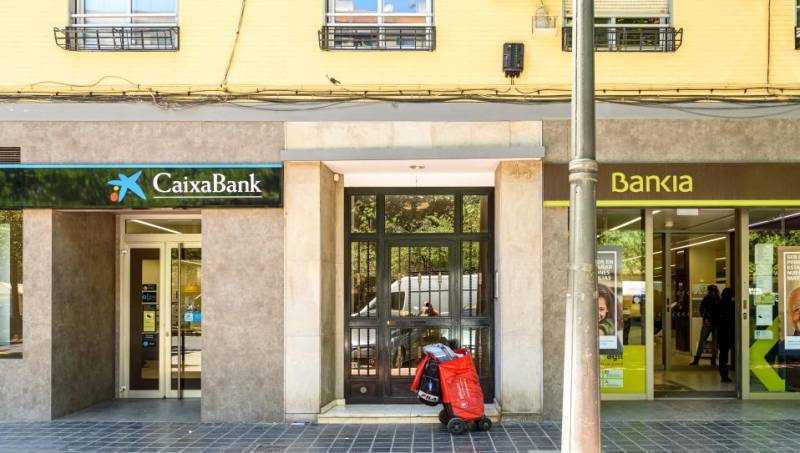
From clever scams to cutting-edge payment tech, the world of banking is changing fast in Spain right now, and not always in ways that make life easier. This news a couple of weeks ago brought a mix of warning signs and what could be a glimpse of the future, depending on where you look.
First, a heads-up that could save you a lot of trouble. Police are warning about a rise in “spoofing” scams, where fraudsters make phone calls look as though they are coming directly from your bank. The number that flashes up on your screen can even match the official one you already have saved, which is what makes this trick so convincing.
The calls themselves often sound reassuringly professional, but come with a sense of urgency. As Policía Nacional explains, “The supposed operator alerts you to a suspicious charge, unauthorised access or an incident requiring urgent attention.”
The aim is to get you to act quickly, handing over passwords, PINs or security codes before you have time to think.
Once that information is shared, criminals can access accounts and move money in a matter of minutes. The advice remains straightforward. If something does not feel right, hang up and call your bank using its official number. Or as police put it, “A few seconds of checking can prevent enormous financial damage.”
While some are trying to break into your bank account, others are busy reinventing how you access it in the first place – but in a good way!
Fingerprint payments are starting to gain ground, with banks and tech companies exploring ways to let customers pay with a simple touch instead of entering a PIN. The idea is already being tested in shops and online platforms, and could eventually become part of everyday life.

The appeal is obvious. No more trying to remember codes or shielding the keypad at the checkout. Because fingerprints are unique, the system is also seen as more secure and potentially quicker, especially for everyday purchases.
That said, it is not quite ready to take over just yet. There are still questions around privacy and how biometric data is stored, and not all retailers have the technology in place. Cost is another factor, as this technology are more expensive to produce.
Even so, the direction of travel is clear. Banking is becoming more digital, more automated and, in theory at least, more secure. For now though, whether you are answering the phone or paying for your shopping, a healthy dose of caution is still your best friend!
ITV: Into The Void
Anyone who’s ever sat nervously in an ITV waiting room wondering what fresh hell the inspector is about to unleash on their wallets might just want to brace themselves, because Spain’s vehicle roadworthiness test is heading for its biggest shake-up in more than a decade.
The EU is pushing ahead with plans to modernise testing rules across all member states for the first time since 2014, and the changes are pretty significant.
The most talked-about additions are new checks specifically designed for electric vehicles (on which more later), including battery condition testing, and inspections of Advanced Driver Assistance Systems, the kind of technology that covers emergency braking, lane assist, parking sensors and airbags.
Given how much cars have changed since the current rules were written, Brussels reckons the existing system simply isn’t keeping up.

Emissions testing is also getting a serious upgrade, with stricter monitoring of nitrogen oxide and particulate levels to catch faults that currently slip through the net. There’s even talk of using remote sensing technology to measure pollution and noise from vehicles while they’re actually moving, without needing to pull them over.
One of the more welcome proposals is a crackdown on odometer fraud in the second-hand car market, which has been a problem for years. Under the plans, garages and manufacturers would be required to record mileage readings during major repairs and services, feeding into national databases that would make it much harder for dodgy sellers to wind back the clock.
There’s also a handy change for anyone living or working temporarily in another EU country, who would be able to get their ITV done locally rather than having to travel back to the country where the vehicle is registered. A temporary certificate valid for six months would cover them in the meantime.
Luckily for our bank balances, none of this is happening overnight. The reforms are still being debated in Brussels and once approved, Spain would have up to three years to put the new system in place.
How electric car buying works in 2026
Given all that, then, if you’ve been toying with the idea of going electric, 2026 might just be the year to give it a proper look. Spain as a whole is giving the electric car market a good old push, and not just with good intentions, but with some fairly tempting financial perks too.
At the centre of it all is the new Auto+ Plan, which replaces earlier schemes and comes with up to €400 million in funding this year. In simple terms, it means you could get up to €4,500 off a new electric car, as long as it ticks the right boxes, including a price tag under €45,000 before tax.
There’s also a guaranteed €1,000 discount from dealerships, which takes a little more of the sting out of the cost. Cheaper models under €35,000 get a proportion of the support too, making entry-level options a bit more within reach.
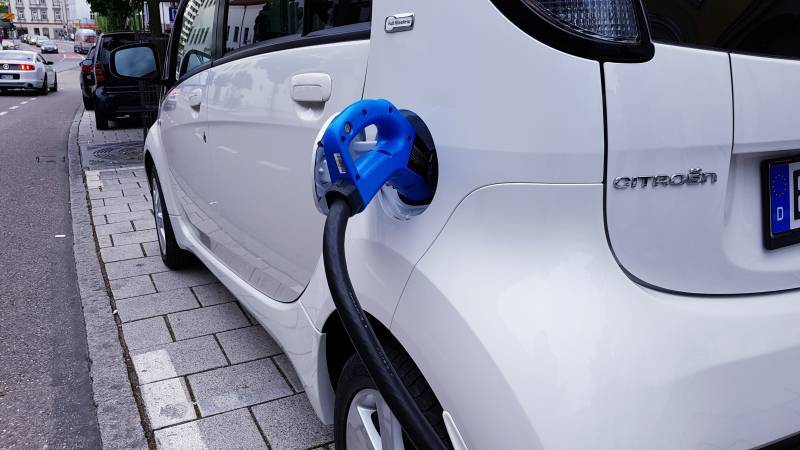
The scheme officially applies to purchases from Wednesday January 1, 2026, so if you’ve already taken the plunge this year, you may still be in luck. It also leans towards vehicles made in Europe, especially those with European-built batteries.
Fully electric and hydrogen-powered cars come out on top when it comes to support, while plug-in hybrids are included, just with slightly smaller incentives.
And it is not only about buying brand new. Leasing, renting and even nearly new “zero-kilometre” cars can qualify, which opens things up a bit.
On top of all that, Spain is investing €100 million in new charging points, so finding somewhere to plug in should become easier too – always a sticking point for those worried about taking the plunge and wondering whether they will be able to do long journeys without running out of juice.
We all know that electric cars help reduce pollution and combat the climate crisis, and now with deals like these on the table, the switchover could be a lot more doable than it once was. Think about it!
Bulls on parade
You’ve probably driven past one dozens of times without even really thinking about it, looming up on a hillside somewhere off the AP-7 like a giant black guardian of Spanish roads.
Well, now the famous Osborne Bull is turning 70.

What started life in the 1950s as a simple roadside advert for brandy has somehow evolved into one of the biggest symbols of Spain itself, up there with flamenco, tapas and arguing over where to get the best tortilla.
The very first Osborne Bull appeared in 1957 near Madrid after drinks company Osborne hired designer Manuel Prieto to come up with something eye-catching for drivers travelling across Spain’s growing road network.
Instead of a flashy advert packed with writing and logos, Prieto came up with something incredibly simple for the time. A black silhouette of a fighting bull designed to blend into the landscape rather than dominate it.
Originally, the bulls were tiny compared to today’s versions. The first one was made of wood and stood just four metres high. That didn’t last long.
As traffic increased and regulations changed, the bulls got bigger and sturdier. By the 1960s they were being made from metal and eventually expanded to their current towering 14-metre height so drivers could still spot them from a distance.
Nowadays, there are 92 of them spread across Spain, and road trips here wouldn’t quite feel the same without them. The really surprising part is how close they came to disappearing completely.
In 1988, Spain introduced new road regulations banning visible roadside advertising. Suddenly the Osborne Bulls were technically illegal and plans were put forward to remove them all, a decision that caused absolute uproar.
Writers, artists, politicians and ordinary members of the public all piled in, arguing the bulls had stopped being adverts years earlier and had become part of Spain’s identity. Eventually the battle ended up in court and in 1997 Spain’s Supreme Court ruled that the Osborne Bull could stay because of its “cultural and aesthetic interest”.
Basically, Spain collectively decided the giant bulls were too iconic to kill off.
Over the years they’ve appeared on T-shirts, keyrings, football stickers, tattoos, ashtrays, postcards and probably half the souvenir shops on the costas. Some people see them as art, others see them as nostalgia and others just use them as a sign they’re getting close to their holiday destination. Love them, hate them or hardly even notice them anymore, they’ve definitely become part of the scenery.
Osborne itself is leaning heavily into the anniversary celebrations this summer with a huge gastronomic event called “7 decades, 7 bites” taking place at the company’s winery gardens in Cádiz throughout August.
A line-up of top chefs including Ángel León, Pedro Subijana and José Pizarro will create dishes inspired by Spanish gastronomy, paired with Osborne wines and live music, all of which feels very Spain somehow – a 70th birthday party involving Michelin-starred food, wine and a giant bull watching over everything.
And after seven decades of blazing summers, political rows, changing governments and millions of passing cars, the old bull is still standing there like he owns the place. Even at 70, he’s still not ready to steer into retirement and he’s certainly not about to lose his pride of place. But then again, he does have a pretty big pair of cojones!
Murcia
A couple of dramatic stories made headlines across Murcia over the last few weeks. A Ryanair aircraft began spewing smoke shortly after landing at the Region of Murcia International Airport on Saturday morning, May 9, triggering the airport’s emergency plan and prompting a rapid response from on-site firefighters.
The plane, which had arrived from London Luton Airport at around 10.30am, had already disembarked all its passengers without incident when smoke began pouring from the front of the aircraft.
Witnesses reported seeing smoke coming from the area around the cockpit windscreen, near the nose of the Ryanair jet. Airport firefighters moved quickly to contain the blaze before it could spread further. Thanks to the swift intervention of Ryanair staff and the airport’s on-site emergency crews, the fire was quickly brought under control, and no injuries were reported.
According to sources close to the case, the pilot had already noticed a rise in temperature while the plane was still in flight from the UK. After landing, the overheating issue is believed to have worsened, eventually leading to the presence of smoke.
The aircraft had been due to depart again for Luton at 11.10am, but that was obviously not possible, but thankfully Ryanair offered passengers an alternative solution to travel to London.
Not only that, but spring has also brought another familiar Murcia problem back to life: pests.
With temperatures climbing across the Costa Cálida, homeowners are once again battling mosquitoes, cockroaches, ants and wasps. Areas around Cartagena and the Mar Menor are especially vulnerable thanks to humidity, standing water and holiday homes sitting empty during winter months.
Experts say simple measures like checking fly screens, clearing drains and removing standing water can make a big difference before the height of summer arrives and the insects really take over.
In housing news, the Spanish Government has confirmed that the Region of Murcia will receive €308 million as part of Spain’s new €7 billion State Housing Plan running from 2026 to 2030.
The funding, agreed unanimously by regional governments during a meeting led by Housing Minister Isabel Rodríguez, is intended to support new housing developments, renovation projects and wider housing policies across the region.
In a country where political consensus can sometimes feel impossible, the fact every single regional government backed the plan says a lot about how serious Spain’s housing crisis has become. Murcia’s first slice of the funding, worth €35.2 million, is expected to arrive in 2026.
 There was also, unfortunately, some very sad news from Murcia city as José Ballesta Germán, the standing mayor, died at the age of 67 after a long battle with cancer. Three days of official mourning were declared, flags flew at half-mast on municipal buildings and official events were suspended.
He was born in Murcia on July 19, 1958. José Ballesta built a long career in both academia and politics. He first became mayor in 2015 and went on to leave a lasting impact on the city through projects that modernised Murcia while protecting its history and identity.
Tributes poured in from across Spain. Murcia's Regional President, Fernando López Miras posted an emotional tribute saying, “José Ballesta, Murcia’s eternal mayor. He will be greatly missed. May the Virgin of Fuensanta welcome him into Heaven. Rest in peace.”
There was at least some positive news, though, as the local council in San Javier is preparing to launch its first-ever town bus service that will completely transform public transport across the municipality.
The new €9.5 million bus service is expected to begin operating before the end of 2026 and will introduce more than 40 bus stops connecting the town centre, beaches, residential areas and nearby villages.
At the moment, many residents rely on intercity services that aren’t designed around local journeys. One of the biggest changes will be the introduction of two circular routes connecting San Javier with Santiago de la Ribera and its beaches, with buses expected every 30 minutes throughout the day.
Another route will link Santiago de la Ribera with central San Javier and Los Arcos Hospital. Smaller villages and residential areas will also be incorporated, with seven daily bus services planned for surrounding towns.
Passengers will be able to track buses in real time using a mobile app. Affordable fares are a major part of the plan. Prices will range from 30 cents for low-income pensioners to €1.50 for a standard ticket, with special fares for young people, large families and free travel for passengers with disabilities.
Meanwhile, environmental campaign group Ecologistas en Acción has criticised the Region of Murcia’s new nitrate reduction plans, arguing they simply do not go far enough to deal with one of the Mar Menor area’s most serious long-term environmental problems: nitrate pollution.
The group says many of the ‘new’ measures being proposed already exist in current legislation and that authorities are relying too heavily on paperwork and bureaucracy instead of proper inspections and environmental monitoring. Campaigners are also frustrated by delays, pointing out that the nitrate action programme should have been updated years ago under EU rules.
At the centre of the debate, once again, is the Mar Menor lagoon itself, which continues to suffer the effects of nutrient pollution linked largely to intensive agriculture and livestock farming in the surrounding Campo de Cartagena area. Environmentalists warn that unless tougher action is taken, the lagoon could face more algal blooms and further ecological decline.
Farmers’ organisations, meanwhile, have their own concerns, particularly over the economic impact stricter controls could have on smaller agricultural businesses. Regional authorities insist the plans are still being revised and say they are trying to protect both the environment and Murcia’s farming sector without creating unnecessary bureaucracy.
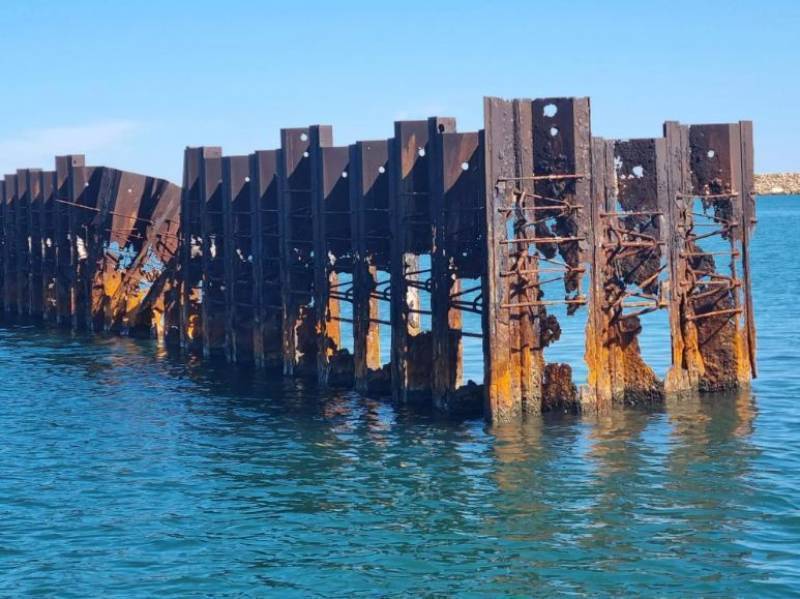 And lastly, we’ll end on a high note as the Ministry for the Ecological Transition (MITECO) has finally awarded the contract for the removal of the remaining rusty structures in the Puerto Mayor marina basin and restore the Caleta del Estacio area.
After the contract is signed, they can then start the 18-month process of dismantling Puerto Mayor, removing the sheet piles, and starting the environmental restoration of nearly one million square metres (97.72 hectares), both in the Caleta del Estacio coastal area and the submerged zone. If there are no delays, the work should be completed in 2028.
This long administrative and legal process dates back to 1975, when the national government granted Puertomayor S.A. a concession to build a marina on the Mediterranean side of La Manga del Mar Menor. The works were never completed and the project was abandoned in 2005.
As for what’s going on locally in the near future, there is the 14th National Dog Show being held in Puerto de Mazarrón on Saturday, a pleasant-looking arts and crafts market at La Santa in Totana on Sunday and – coming up in the middle of next week – the exciting most you’ve all been waiting for... the annual potato fiesta in La Puebla! Are you really going to miss it?
For more events coming up soon in the Murcia area, you already know that you just have to take a look at our EVENTS DIARY:
Spain
Households across Spain have been enjoying slightly cheaper bills lately but that temporary relief is sadly about to come to an end. Just a couple of months after the Spanish government introduced emergency VAT cuts to help households cope with rising energy costs driven by the conflict in the Middle East, those reductions are already being pulled.
From June 1, VAT on electricity, natural gas, pellets, briquettes and firewood shoots straight back up to the full 21%, and bills across the country are going to reflect that pretty quickly.
The government’s reasoning is that inflation has eased slightly, dropping from 3.4% to 3.2% in April. Tucked away in the small print of the original emergency package was a clause allowing the cuts to be reversed early if energy inflation fell below 15%. That threshold has now been crossed, which means the relief a lot of people were counting on has evaporated far sooner than most expected. The Special Electricity Tax is also heading back up to 5%.
Now, in fairness, electricity prices have actually fallen 4.3% over the past year and natural gas is down 9.6%. Whether that’s much comfort when you’re opening your next bill is another question entirely.
There is one small piece of good news, even if you have to hunt for it a bit. Fuel support measures are staying in place for now, because petrol and diesel prices are still painfully high. The current tax reductions on fuel are expected to hold until at least the end of June, so drivers get a brief reprieve at least.
Everything else, on the other hand, is not so encouraging. Transport costs are still going up, restaurants and hotels are charging more than ever, insurance premiums keep creeping upwards and supermarket prices are stubbornly refusing to come down.
Eggs are up nearly 15%, fish prices are climbing again and if you’ve noticed that tomatoes and peppers seem to cost an arm and a leg compared to this time last year, you’d be absolutely right. Even public transport has got more expensive after some travel discounts were reduced earlier in the year.
The government is keeping some targeted support in place, including electricity discounts for vulnerable households and assistance for sectors like farming and transport, and that’s a big help for those who qualify.
But for the vast majority of households, the situation is straightforward and pretty grim: another monthly bill is about to go up, the cost of living shows no sign of easing and the temporary relief that arrived a couple of months ago has already been taken away again.
Homeowners in Spain can take some solace from the news that squatting complaints dropped by almost 10% last year, with 14,875 cases reported to police in 2025 compared to much higher figures the year before.
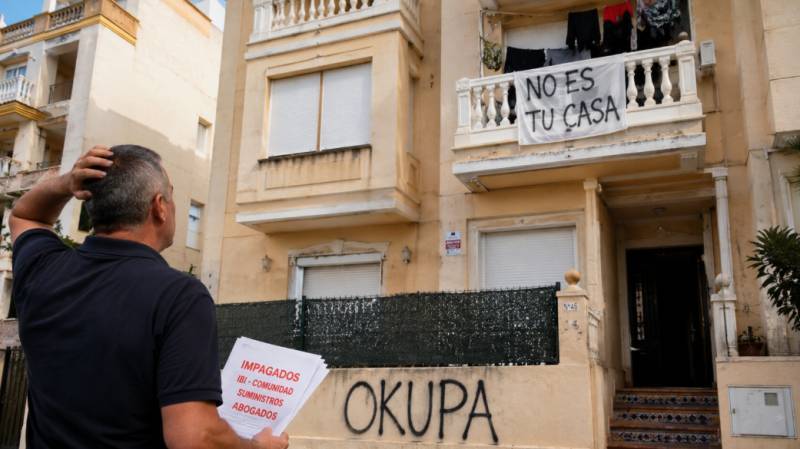
On the face of it, that sounds like progress, but put it alongside the fact that back in 2010 there were just 2,702 complaints and it starts to look a lot less impressive. The numbers have exploded over the past 15 years and remain a huge source of frustration for homeowners across the country.
Catalonia accounted for nearly 40% of all cases nationally with 5,913 complaints, making it the undisputed epicentre of the problem despite that figure being down 15% on 2024. Andalucía recorded 1,909 cases and the Valencian Community 1,805, with the latter actually seeing an increase on the previous year. Murcia registered 425 cases.
Interior Minister Fernando Grande-Marlaska has tried to reassure people that the worst-case scenarios, where someone returns home to find squatters inside, are relatively uncommon.
“It’s not like I go down to the store for bread or I go on vacation and they break into my house,” he said during a parliamentary debate.
That comment didn’t go down particularly well and it’s not hard to see why. For homeowners who’ve spent months or even years trying to get people out of their properties through the courts, racking up legal bills and mortgage payments on homes they can’t even access, the statistics offer cold comfort.
The issue is particularly raw along the Mediterranean coast, where large numbers of second homes, holiday apartments and investment properties make attractive targets, and many owners feel the legal system still moves far too slowly once squatters are inside.
There has been a twist in the investigation surrounding the death of Isak Andic, founder of Mango, which long-term subscribers may remember we covered a year and a half ago.
What was initially believed to have been a tragic hiking accident in the Montserrat mountains near Barcelona has now developed into one of Spain’s most closely watched criminal cases. Andic died in December 2024 after falling from a steep mountain path while hiking with his son, Jonathan Andic.
The investigation was originally closed as an accident before being reopened following new forensic reports and additional evidence. Jonathan Andic has since been arrested, questioned and later released on €1 million bail while the investigation continues.
Court documents reportedly point to contradictions in statements, geolocation data, forensic analysis and possible family tensions linked to inheritance and control of the business empire built by his father. His defence team strongly denies any wrongdoing and insists the case is based on speculation. No final conclusions have been reached and Jonathan Andic remains legally innocent unless proven otherwise.
Rounding off a fairly gloomy run of news, the latest data show that Spain has already seen more than 16,300 hectares destroyed by wildfires in just the first four months of 2026, more than double the 7,227 hectares lost during the same period last year. A total of 2,624 wildfire incidents have been recorded so far, including three major fires each burning more than 500 hectares.
The northwest of Spain has taken the worst of it, accounting for more than half of all incidents and over 80% of the forested land destroyed. The Mediterranean region accounted for around 13% of incidents and just over 21% of affected woodland.
Despite the alarming year-on-year comparison, the total area burned is still 29.6% below the ten-year average for the same period and 2026 currently ranks as the fifth lowest year for hectares burned in the past decade.
That said, with the hottest months of the year still to come and conditions already looking dangerous in many parts of the country, authorities aren’t taking anything for granted.
What, you want something more upbeat? Fine. There is also genuinely positive news for animal lovers as the Spanish government has announced almost €4 million in new funding aimed at helping abandoned animals and supporting the management of feral cat colonies across the country.

The grants, provided through the Ministry of Social Rights, Consumer Affairs and Agenda 2030, will be split between animal shelters and local councils. Just under €2 million has been allocated to shelters, helping them continue the rescue, veterinary care and rehoming work that so often depends heavily on volunteers and donations.
At the same time, local councils and regional authorities will receive almost another €2 million to help manage feral cat colonies under Spain’s Animal Welfare Law. That includes trap-neuter-return programmes, monitoring colonies and ensuring the animals are cared for properly. For many smaller councils struggling with limited budgets, the extra support could make a real difference.
Demand for this type of funding remains enormous across Spain, with thousands of organisations applying for assistance during previous grant rounds, showing just how much attention animal welfare issues are now receiving nationwide.
Not all animal news is so positive, though. In the Canary Islands this week, a swimmer in Lanzarote got a nasty surprise after being bitten on the foot by a baby angel shark hidden beneath the sand.
The incident happened in shallow water near Playa Honda when the woman apparently stepped on the well-camouflaged animal, causing it to react defensively. Fortunately, the injuries were minor and she did not require hospital treatment.
Despite sounding alarming, experts stress that angel sharks are not considered dangerous to humans and attacks are extremely rare. The species, known locally as the angelote, is actually one of the world’s most threatened shark species, with the Canary Islands considered an important refuge for them.
Experts say a simple trick like gently shuffling your feet through the sand when entering the water can help warn the sharks you are coming and avoid accidental encounters altogether.
Alicante
There is some good news in the southern Costa Blanca area, where big changes are on the way as local and regional authorities push ahead with a series of major infrastructure projects designed to modernise roads, promenades and public transport links before future tourist seasons arrive in full force.
In Orihuela Costa, work is continuing on Avenida del Cabo in Cabo Roig, where a €200,000 upgrade is already beginning to change the look and feel of one of the area’s busiest roads. The first noticeable difference has come from the replacement of the old sodium streetlights with modern LED lighting, which officials say is improving visibility while also cutting energy consumption.
But the project is about far more than just brighter streets. The council is now moving into the next stage, which focuses heavily on safety and accessibility. Six new lampposts will be installed in spots that have been left poorly lit for years after previous damage caused by traffic accidents and general wear and tear.
Around 14 pedestrian crossings are also being upgraded to modern accessibility standards, including safer curb ramps and improved gradients to make crossing easier for everyone.
The wider goal is to improve the overall experience along the avenue rather than simply patching up isolated problems, especially on a road that becomes extremely busy during the summer months.
Meanwhile, further along the coast, Torrevieja is preparing for one of its biggest seafront makeovers in years. The city council has officially awarded the €8.59 million redevelopment contract for Los Locos beach promenade, with construction company PAVASAL set to carry out the work over the next 18 months.
The project will completely transform more than a kilometre of beachfront, creating wider pedestrian areas, greener public spaces and improved access to the beach. Plans also include new trees, children’s play areas, outdoor fitness zones and updated street furniture aimed at making the promenade more attractive throughout the year, not just during the peak holiday season.
To minimise disruption, the works will be split into four phases, allowing some sections to reopen while construction continues elsewhere. The first part of the project will focus on the stretch near Avenida Habaneras, an area chosen partly because it should cause less disruption during summer.
At the same time, the Valencian regional government is also looking at the bigger transport picture, approving plans to renew two of the Costa Blanca’s main intercity bus corridors under new 10-year contracts worth almost €68 million.
One of the key routes affected is the important Torrevieja-Alicante line, which connects much of the southern Costa Blanca, including Orihuela Costa, Guardamar, Santa Pola, Elche and Pilar de la Horadada.
Officials say the new contracts should improve connections to Alicante-Elche Airport, AVE high-speed rail stations and Torrevieja Hospital while modernising services that have operated for years under outdated agreements.
Another of the big Alicante stories recently is the arrest of Simon William Dutton, one of the UK’s most wanted fugitives, who was detained in La Nucía near Benidorm.
The 50-year-old British national has been remanded in custody while extradition proceedings move forward. British authorities say he failed to complete a 14-year prison sentence linked to drug trafficking and the use of a false identity. He is also accused of breaching release conditions after allegedly disappearing and failing to report to the UK’s National Crime Agency.
His arrest came shortly after the launch of the latest Operation Captura appeal, the long-running joint operation between British and Spanish authorities targeting fugitives believed to be hiding in Spain.
But the case does not stop there. Spanish investigators also linked Dutton to a separate Guardia Civil operation involving suspected drug shipments from the Costa Blanca to the UK. Officers reportedly seized around 40 kilos of marijuana, cash, false documents and vehicles during searches connected to the investigation. A 19-year-old man believed to be his son was also arrested alongside two others.
Benidorm has also been making headlines recently for something rather less criminal but equally enormous: another skyscraper. Developer TM Grupo Inmobiliario is building what will become the tallest residential building in the entire European Union. Known as TM Tower, the massive structure will rise 230 metres above the Benidorm skyline across 64 floors.

The project is already attracting wealthy international buyers, with roughly half of the 260 luxury homes reportedly reserved before the tower is even finished. Buyers from Poland, Spain and Ukraine are leading demand, with average prices nearing €1 million per apartment.
The skyscraper – which joins the skyline of a city already famous for its obsession with building upwards – will include heated pools, wellness areas, sports facilities, a cinema room and even a panoramic sky bar and observatory high above the Mediterranean coast.
And if towering skyscrapers are not enough to get the adrenaline pumping in Benidorm, Aqualandia has reopened, with one of its most famous attractions once again terrifying visitors.
Verti-Go, the towering 33-metre capsule slide, holds the title of Europe’s tallest water slide and sends riders hurtling down at more than 100km/h in just three seconds. The park’s Cyclone water coaster is also back in action, offering giant drops and spinning raft rides for thrill seekers brave enough to try it.
Not all development projects are moving forward so smoothly, though. Plans for the huge Rojalinda Solar Photovoltaic Park between Murcia and southern Alicante’s Vega Baja have now been blocked after Spain’s Ministry for Ecological Transition rejected the environmental impact assessment.
The proposed €26 million solar complex would have covered huge areas of land across Murcia and southern Alicante, with power infrastructure crossing multiple municipalities including Orihuela, Rojales and Almoradí.
Environmental authorities concluded the project could cause significant environmental and landscape damage, while several local councils also raised concerns about its visual impact and the sheer scale of the infrastructure involved.
Andalucía
 When it comes to culture, Andalucía is well-known worldwide. Flamenco, Moorish architecture, giving the world gazpacho. Adding to that illustrious lineup, there was an exciting moment at the Málaga Book Fair a couple of weeks ago when a very familiar face turned up. None other than Irvine Welsh was in town to present Men in Love, his long-awaited sequel to Trainspotting. The Scottish author spoke at the 55th fair and, rather charmingly, opened by admitting, “My Spanish is very bad, sorry!”
The new novel brings back Renton, Spud, Begbie and Sick Boy, this time following them through the late 1980s and the last years of Thatcher’s Britain. Welsh said the book looks at love, friendship, power and “the fear of not being loved”, while also reflecting on how male friendships have changed over time.
He had a few sharp observations for the audience too, describing social media as “far more toxic than heroin” and artificial intelligence as “a machine that tells you what to think and say.”
The 55th book fair itself is bigger than ever, with 71 stalls, and it is clear Málaga still knows how to pull in a crowd when a big name comes calling.
Also in Málaga this week, more than 100 guests had to be evacuated after a major fire tore through the Ibis Málaga Centro hotel in the early hours of this Monday morning. The blaze started in Le Grand Café on the ground floor of the hotel and quickly spread thick smoke through the building.
Although firefighters initially brought the flames under control, the fire later reignited and spread to the upper floors, forcing emergency crews to remain at the scene for more than 24 hours carrying out cooling and inspection work.
Despite the scale of the incident, no injuries were reported. Guests described waking up to alarms, flashing lights and smoke before rushing outside with little more than the clothes they were wearing. Some were later rehoused in other hotels while firefighters attempted to recover passports and belongings from damaged rooms.
Officials warned that parts of the structure had been seriously weakened by the heat, with some areas considered at risk of collapse. The incident also reignited concerns from firefighter unions, who claimed Málaga’s emergency services had been stretched dangerously thin after another separate fire broke out elsewhere in the city later the same day.
Meanwhile, Spain announced plans to remove Gibraltar from its tax haven blacklist after 35 years. Spanish authorities said the Rock – that little bastion of Britishness nestled just off the coast of Cádiz – now meets the transparency standards required under Spanish tax rules.
The move has been positioned widely as another step towards improving post-Brexit relations between Spain, the UK and Gibraltar, particularly regarding business, finance and border cooperation. Gibraltar’s government welcomed the decision, describing it as long overdue.
And last but not least, for anyone who happens to be around Almería’s Mojácar, there is a gentle way to start your day as free beach yoga is back every Sunday morning, giving locals and visitors the chance to stretch out beside the sea with the Mediterranean for company.
The sessions begin at 10am on the seafront and last around an hour and a half. There is no need to book, and the classes are described as medium to low difficulty, which makes them suitable for most people, even if yoga is not exactly part of your regular routine. All you need to bring is a mat and a willingness to unwind.
The initiative is being organised by Mojácar Town Hall as part of its push for healthier lifestyles and better use of the town’s natural surroundings. It sounds like a pretty pleasant way to ease into a Sunday, especially with sea views thrown in for free.

You may have missed…
- British landlords in Spain may have overpaid tax since Brexit.
Thousands of British property owners renting out across Spain may have been overpaying tax since Brexit – not through any error of their own, but due to a rule that a Spanish court has now declared unlawful. - Why are there so many firebugs around?
If you’ve been out and about in the garden or park, recently, or just walking along the street, you may have noticed a proliferation of small red and black bugs crawling everywhere, but there is no need to be alarmed. Contrary to what many people might think, these insects are not ladybirds; they are European firebugs, and they are totally harmless. - Spain warned over teenage vaping surge ahead of World No Tobacco Day.
Doctors in Spain are warning of a worrying rise in teenage vaping ahead of World No Tobacco Day on Sunday May 31, with health experts calling for stricter controls on e-cigarettes and nicotine products aimed at young people. - Caring for elderly relatives in Spain could unlock extra financial support.
From monthly payments to pension protection and home adaptation grants, carers may be entitled to more help than they realise. - Summer is on the way and here’s exactly how much sunscreen you should be using.
Summer is on the way and the sun is getting stronger, which means many of us are reaching for sunscreen more often. But are you really using enough to stay protected? Spanish dermatologists have shared the secret of the “two finger rule” to avoid sunburn and protect your skin year-round.
And that’s it for this week. Thank you for sticking with us, and sorry again for the blip over the last couple of weeks. We promise we’ll be back with another one for you next week.
Have a wonderful weekend!